Wooden vs. Cardboard Puzzles: Material Differences and How to Choose
Wooden and cardboard puzzles look alike, but their materials and manufacturing differ, and so do their feel, precision and durability. This article first explains the construction and common boards of each, then compares how they perform in use, as a reference for your choice.
Key takeaways
-
Fit Precision Wood pieces have fine kerfs and square edges, so they lock together firmly; cardboard is affected by die-cutting and paper fibers, so the snugness of the fit can vary slightly.
-
Durability and Keeping Quality Wood keeps its grip and holds its dimensions better after repeated assembly and disassembly, while cardboard is more sensitive to humidity and wear.
-
Choosing by Purpose If feel, collecting and gift-giving matter most, choose wood; if light weight and a wide choice of images matter more, cardboard is the more practical option.
Basic Construction of Wooden Puzzles
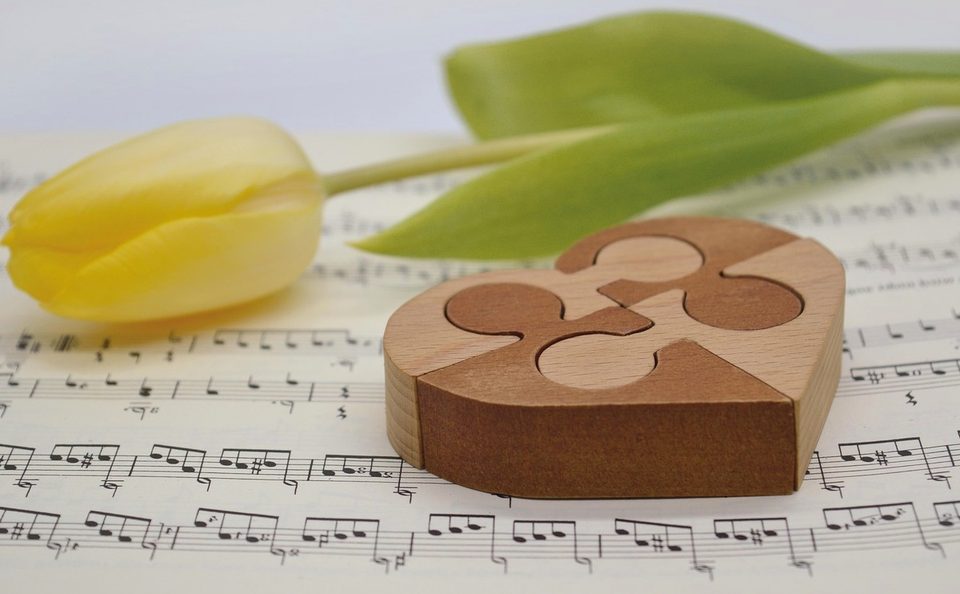
A wooden puzzle usually has three parts: a wooden board as the base, an image layer bonded to the surface, and an outer protective finish. The base determines the puzzle's thickness, weight and overall rigidity, and is the main source of its feel. The image layer is either printed paper or ink printed directly onto the wood, and the two differ slightly in color and texture. The protective layer reduces the chance of wear and staining.
The base board is mostly made from thin wood veneers pressed together with the grain directions alternating. This cross-layered structure spreads out the expansion and contraction caused by changes in humidity, making the board less prone to warping. A single solid piece of wood has a natural grain but deforms more easily with its environment, so puzzles mostly use plywood. Once sanded, the board's surface is flat and ready for cutting and image bonding.
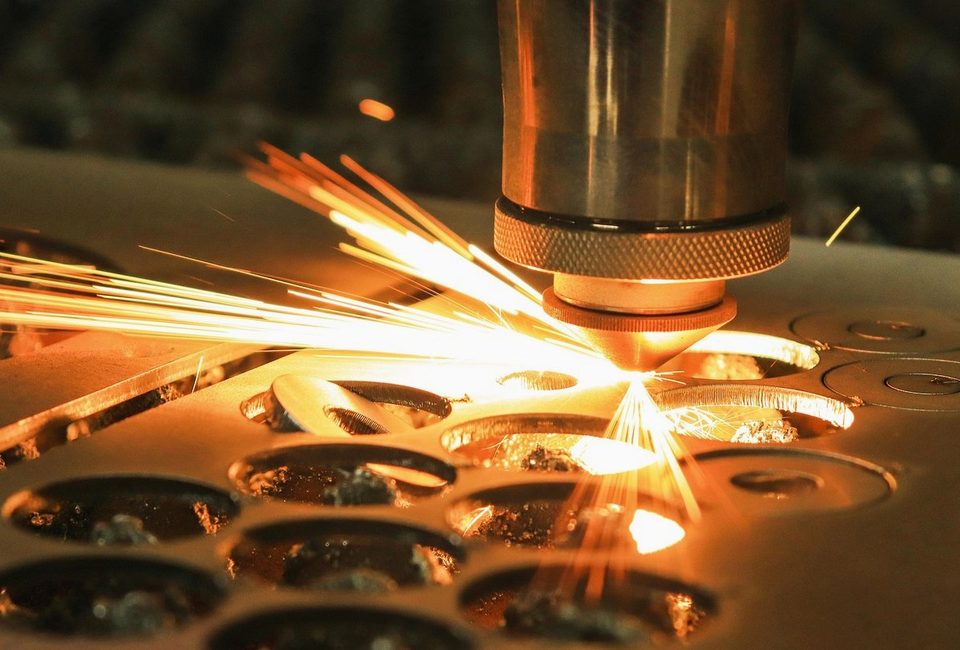
Cutting is the most critical step in the construction of a wooden puzzle. Common methods include laser cutting and scroll-saw cutting, and each leaves a different edge character. Laser cutting leaves narrow seams, and the edges may show slight charring; scroll-saw cutting leaves slightly wider seams and cleaner edges. After cutting, the edges are usually sanded to remove burrs and ensure the pieces fit together smoothly.
Common Woods and Board Types
The wooden boards commonly used for puzzles fall into a few broad categories. Basswood plywood is fine-textured, light in color and even in grain, making it one of the most common choices. Birch plywood has more distinct layers, moderate hardness and tidy edges after cutting. Both are multi-layer pressed structures with good stability, suitable for designs requiring dense, intricate cutting.
Besides plywood, some puzzles use high-density fiberboard or MDF as the base. These boards are formed by pressing wood fibers together, so their interior is uniform and has no obvious grain direction, which makes them less likely to chip along the grain when cut. They are denser, and usually heavier than plywood. However, fiberboard is more sensitive to moisture, and the edges may swell if it is kept in a damp environment for long periods.
When choosing a board, a few points can serve as a guide to quality. They don't involve specific measurements; they rely on looking and touching, and they're easy to check one by one when buying or comparing. Keep in mind that board names are not defined consistently from one maker to another, so always judge by the actual piece in your hands.
- Is the board surface flat, with no obvious warping or dents?
- Are the cut edges sanded smooth, with no rough burrs?
- Is the printed image layer bonded tightly to the base?
- Do the pieces feel even in weight and thickness when you pick them up?
- Is there a sharp odor, which may point to the glue or coating?
The Structure of Cardboard Puzzles
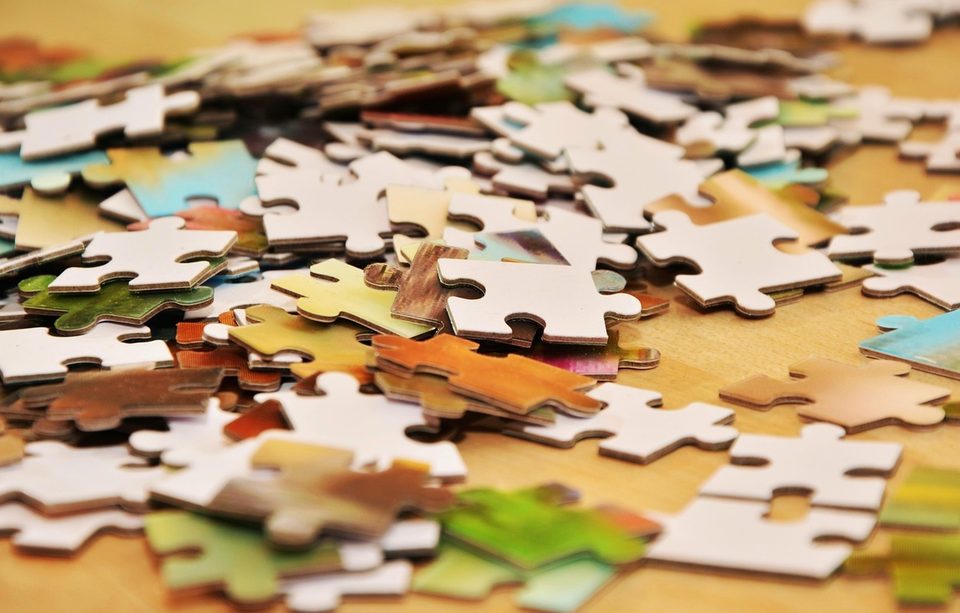
A cardboard puzzle has a base of rigid board pressed from paper pulp, with a printed image laminated onto the surface. The board is built up from layers of compressed paper fiber, and its inner structure is softer than wood, so it is light and relatively thin. As a result, a cardboard puzzle weighs noticeably less than a wooden one and is easier to carry and store. The image is usually printed on a covering paper layer, giving stable, detailed color.
Cardboard puzzles are mostly cut by die stamping, which cuts out a whole set of pieces in one go. Because the die's blade lines are fixed, the joints are very consistent, which suits mass production of a single design. On the other hand, the variety of shapes is limited by the die, so complex irregular outlines or individually designed pieces are harder to achieve. The edges are cut by pressure, leaving a slightly fibrous texture on the cross-section.
Cardboard reacts to humidity and pressure differently from wood. Paper fibers soften easily once they absorb moisture, and corners may wear down or fray from repeated handling. If puzzles are stacked for a long time under heavy weight, the surface may also develop dents. These are not flaws but simply the nature of the material. Once you understand them, you can adjust how you store the puzzle to suit your environment, or judge whether it fits your habits.
Comparing Feel and Fit Precision
Fit precision depends on cutting tolerance and material thickness, not just the name of the material. Wooden puzzles are mostly laser cut, with an extremely fine kerf and nearly vertical piece edges, so two pieces join with almost no gap. The wood itself has a certain thickness and hardness, so assembled pieces form a stable surface that doesn't easily come loose even if you tap the table. During assembly, wood therefore gives clear feedback: the right spot makes the piece "lock in," while the wrong spot clearly won't take it.
Cardboard puzzles rely on die stamping, and wear on the die can leave edges slightly rounded or rough. This means tiny gaps occasionally appear between pieces, or a little force is needed to line them up. Most cardboard puzzles hold together through the flexibility of the knobs and sockets, so the tightness of individual pieces in one box may vary slightly. This isn't poor quality; it comes naturally from the stamping process and the fibers in the paper.
In terms of feel, wooden pieces are heavier and warm to the touch, and your fingertips can sense the grain and the careful finishing of the edges; they also make a crisp sound when turned over. Cardboard pieces are lighter and thinner, usually with a printed coating that feels smooth and slightly cool. For those who value the tactile experience of assembling, wood usually offers more depth, while those who prefer something light and portable will find cardboard more comfortable. Neither is better than the other; the difference is whether you value texture or convenience.
Durability and Long-Term Storage
Durability first depends on how many times a puzzle is assembled and taken apart. Wooden pieces are dense, and their edges don't easily deform from repeated fitting, so even after several reassemblies the fit stays close to its original feel. Cardboard fibers gradually loosen under repeated stress, and the joints may fray or soften, reducing the grip between pieces. If you expect to take the same puzzle apart and put it together many times, wood has a clear advantage.
Environmental factors matter just as much. Cardboard is sensitive to humidity; once it absorbs water it tends to warp and swell, and the coating may even peel, so it needs a dry storage space away from light. Wood also expands and contracts slightly with humidity, but its overall dimensional stability is higher, and as long as it is not exposed to damp or direct sunlight for long periods, it stays in good condition. Whatever the material, storing puzzles flat and keeping heavy objects off them is the basic way to extend their life.
For long-term keeping and collecting, wooden puzzles are better suited as items to pass down. The character of wood deepens over time, and if the printed surface is well protected, the colors stay stable. Cardboard puzzles are better as short-term entertainment, or to be glued together and framed once finished. If you plan to keep your work for a long time, put the stability of the material first and pair it with a suitable box and storage environment so the result is reliably preserved.
Choosing a Material by Purpose
When choosing a material, first clarify the main purpose, then compare it against the properties of each material. If your aim is to enjoy a refined assembly process, to pursue feel and precision, or to keep the puzzle as a collectible or give it as a gift, a wooden puzzle is usually the more suitable option. Its solid texture and neat edges make the whole experience more complete and more memorable. For those who prefer a slow pace and value craftsmanship, such differences often directly affect satisfaction.
If your needs lean toward something lightweight, portable, and with designs you change often, a cardboard puzzle is more practical. It is light, easy to take out or use in a small space, and the choice of piece counts and designs is relatively wide. Also, if you only assemble puzzles occasionally and don't plan to keep them long, cardboard is durable enough. Taking your frequency of use and expectations for storage into account helps you avoid spending more on material than you actually need.
The following points can serve as a reference when deciding:
In the end, you don't need to stick to a single material. Some people use both depending on the occasion, keeping wooden puzzles as long-term collectibles and using cardboard puzzles for everyday practice. What matters is understanding the characteristics of each and letting the material fit the way you use it, rather than adapting yourself to the material.
- Frequency of use: if you expect to assemble and take apart the puzzle repeatedly, wood is the better fit
- Keeping it long term: if you plan to keep or display the puzzle for years, wood is the better fit
- Portability: if you travel often or have limited space, cardboard is the better fit
- Feel: if you care about touch and how the pieces lock together, wood is the better fit
- Purpose: as a gift or collectible, wood carries more weight
This article provides general information only and does not constitute professional advice.