Precise cutting for a perfect fit, piece by piece
Laser-Cut Puzzle Production
Wooden puzzles made with laser-cutting technology for precise fit and smooth edges.
Common challenges
Uneven Piece Fit Spoils the Puzzle Experience
When cutting is inconsistent, pieces can end up too loose or too tight, edges can be rough, and the artwork can be marked by scorching. This makes puzzling less enjoyable and also lowers the piece's value as a collectible.
Our approach
Quality Through Design and Process Control
From planning the cut lines and selecting the board to setting parameters, finishing the edges and inspecting each piece, every stage is checked for precise fit and a clean appearance, so the finished puzzle is as pleasant to use as it is beautiful.
Description
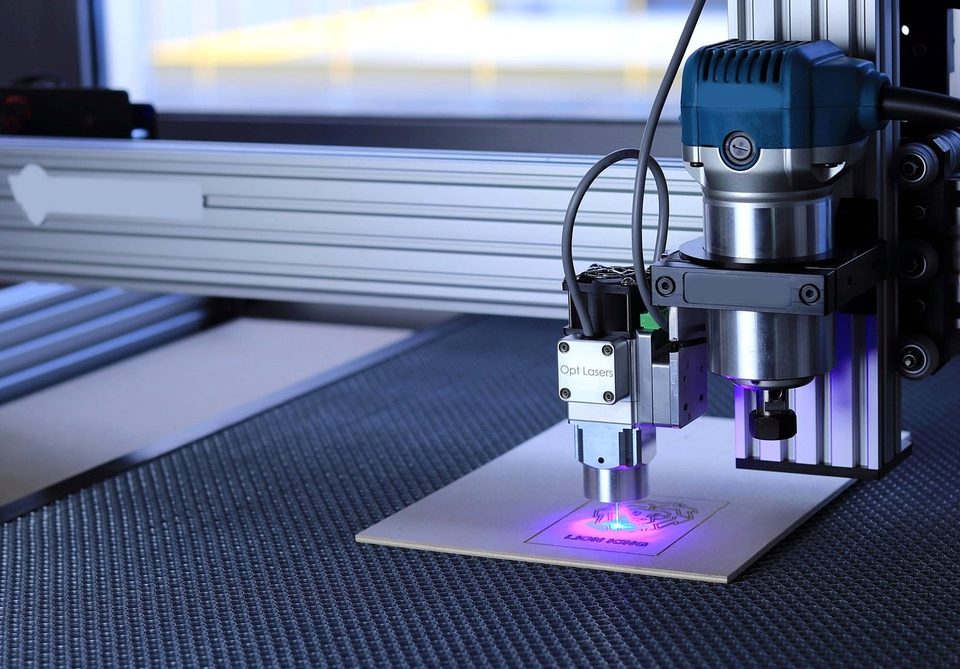
Laser-cut puzzle making turns a pattern into cutting paths, and a laser then cuts the pieces out of a wooden board one by one. The cuts are fine and consistent, the fit between pieces is evenly snug and the edges are smoother, which suits adult puzzles that call for precision.
The grain, color and thickness of the wood itself shape the overall feel. Scorch marks left on the edges by cutting need separate treatment depending on the board and pattern, so they do not stain the picture. The pattern, piece count and piece shapes can all be planned individually to suit the purpose.
The service covers the whole process, from the initial idea and preparing the pattern to designing the cut lines and checking the finished piece, and can be used for personal collections, gifts or artistic irregular puzzles. Details such as specifications and production methods are confirmed case by case.
Program
-
Requirements review
Tell us the purpose, the size range, the difficulty you want and the source of the pattern, and we will determine the suitable board, piece count and piece style.
-
Pattern and cut line design
We prepare the pattern's resolution and composition and plan the size, shape and distribution of the pieces, taking the picture's color areas into account so the assembly has some depth.
-
Board selection and printing
We choose the wood type and thickness to suit the style of the design, and decide whether to print the artwork, keep the natural wood grain, or use another surface finish.
-
Laser Cutting
Power and speed are set for each cutting path to keep the kerf consistent, give every piece the same snug fit, and minimize charring along the edges.
-
Edge Finishing and Inspection
We clean off any residue left by cutting, then check the edges and fit of every piece to make sure the whole puzzle goes together smoothly.
-
Packaging and Care Instructions
The finished puzzle is packed in a way that suits long-term storage, along with basic advice on storing, cleaning and protecting it from moisture.
Who it's for
-
Puzzle Collectors
For those who value a precise piece fit and the feel of real wood, and want high-difficulty or limited-edition pieces that stand apart from mass-produced puzzles.
-
Gift Seekers
For anyone who wants to turn a personal image into a meaningful wooden puzzle to give to family or friends.
-
Artists and Designers
For those who want to turn illustrations, photographs or design files into physical puzzles, and explore irregular outlines and unusual cutting compositions.
FAQ
- Can I use my own artwork?
- Yes. We recommend providing an original file of sufficient resolution, along with the intended use and size, so we can assess whether it is suitable for production.
- Will laser-cut edges have scorch marks?
- Laser cutting can leave dark marks along the edges, to a degree that depends on the board and the design. We treat the edges as needed during production and inspect the finished puzzle.
- Can you make irregularly shaped puzzles?
- Yes. The outer outline and piece shapes can be adjusted to suit the design, though feasibility still depends on the artwork and board, and is confirmed case by case.
- How should I care for the puzzle once it's finished?
- We recommend storing it somewhere dry, away from sunlight and damp, wiping the surface gently with a dry soft cloth, and keeping the pieces in a box or bag.